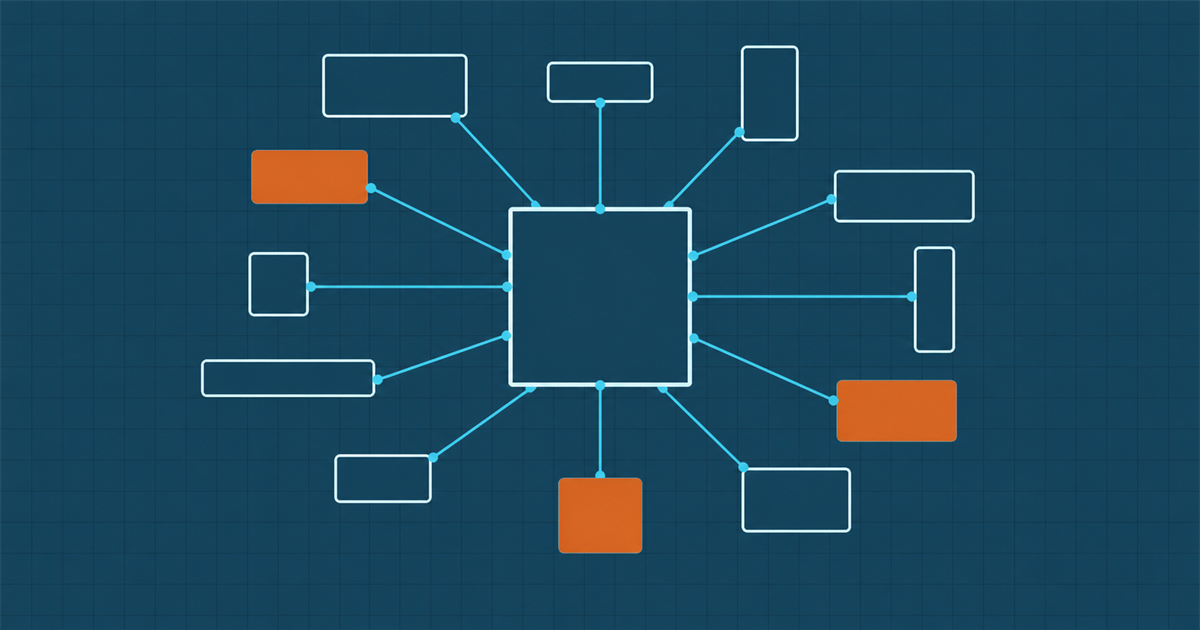
Digital asset management vs product information management
One holds the asset. One holds the product. The argument is about the six fields in between.
A DAM and a PIM are not competitors, and the comparison pages that treat them as competitors are why your team is still arguing about where alt text lives. This is a working reference for the people who have to draw the boundary, wire the two systems together, and decide whether they need either one yet.
The rule that settles it
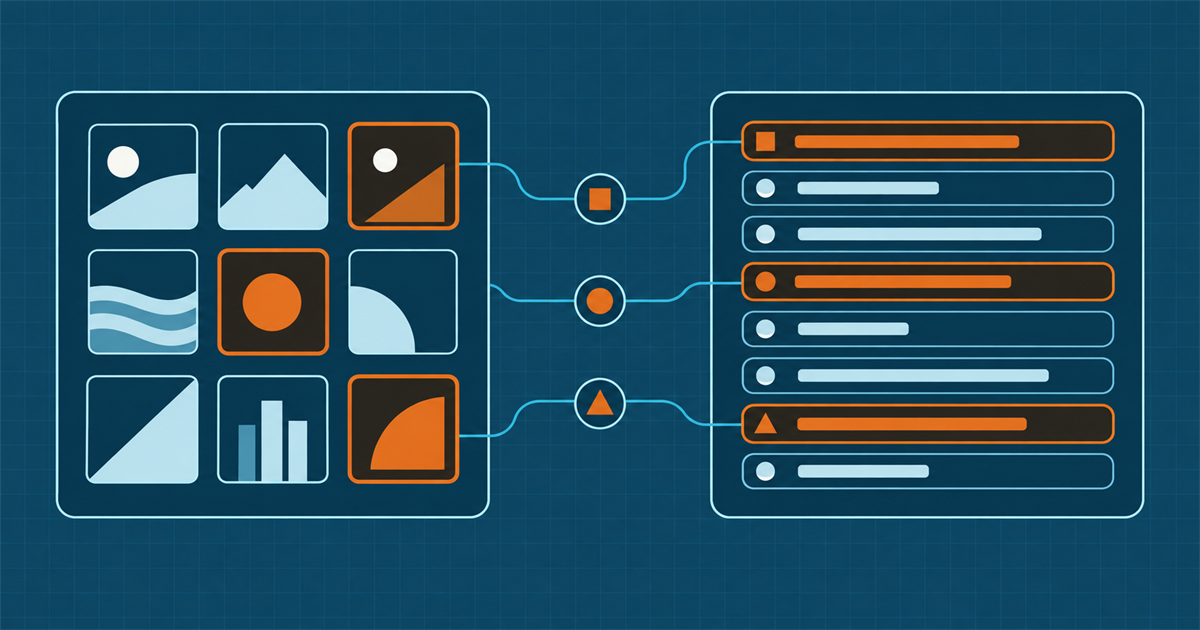
For every field, exactly one system is authoritative. Everything else holds a reference, or a labelled cache with a defined refresh, and is never edited. Applied field by field, that one line resolves nearly every boundary dispute in an afternoon.
The DAM owns the asset
The master file and its renditions, what the image depicts, who shot it, the licence and its expiry, approval state, and version history. Everything intrinsic to the photograph.
The PIM owns the product
Identifiers, typed attributes, variant structure, per-market copy, channel completeness rules, and the statement that these six images depict this SKU.
Nobody owns anything twice
Two systems that both allow editing of the same field will diverge. In licence expiry or net weight, that is not untidiness. It is a defect with a legal or commercial consequence.
Start here
Five pieces that between them cover the boundary, the data model, the integration and the money.
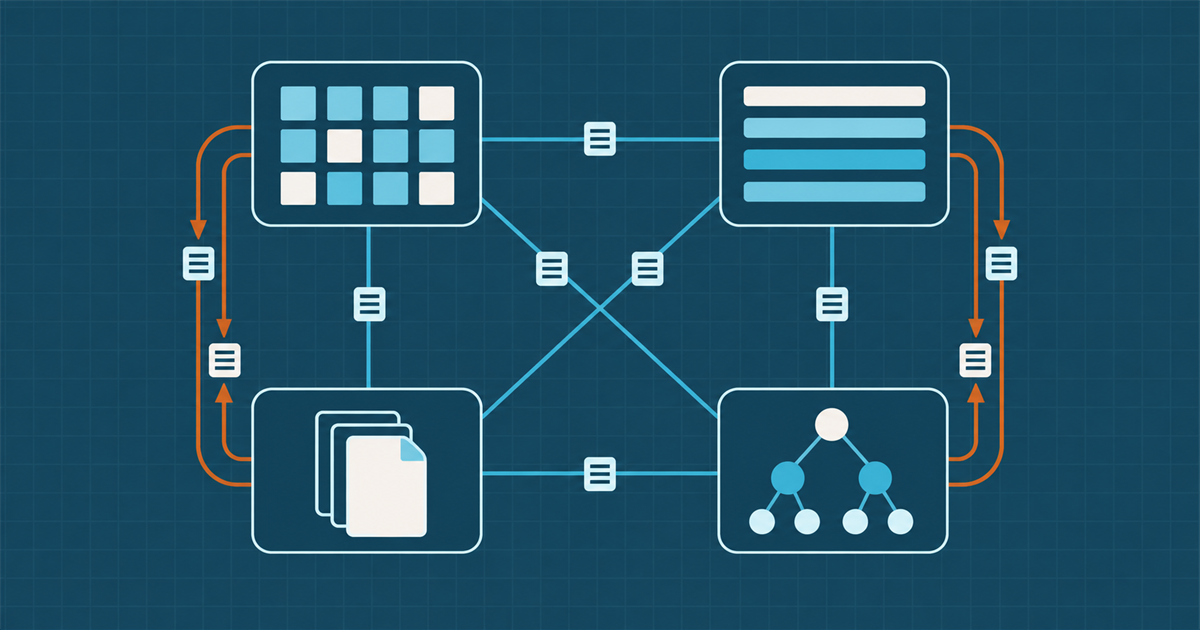
DAM, PIM, CMS and ERP
The four-system map, the two boundaries that are genuinely contested, and how many of the four you actually need.
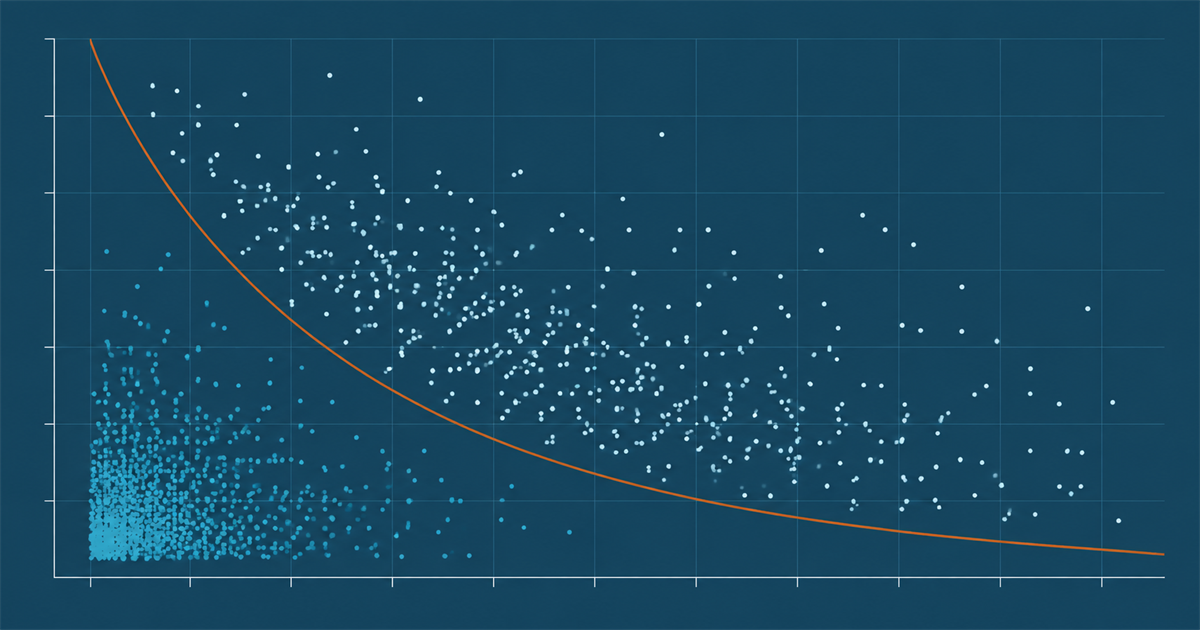
Do you need a PIM yet?
Four conditions predict when a spreadsheet stops working. None of them is revenue, and one of them is not about size at all.

What it actually costs
The licence is rarely the largest line. Implementation, data cleanup and the content work neither system removes usually add up to more.
DAM for developers
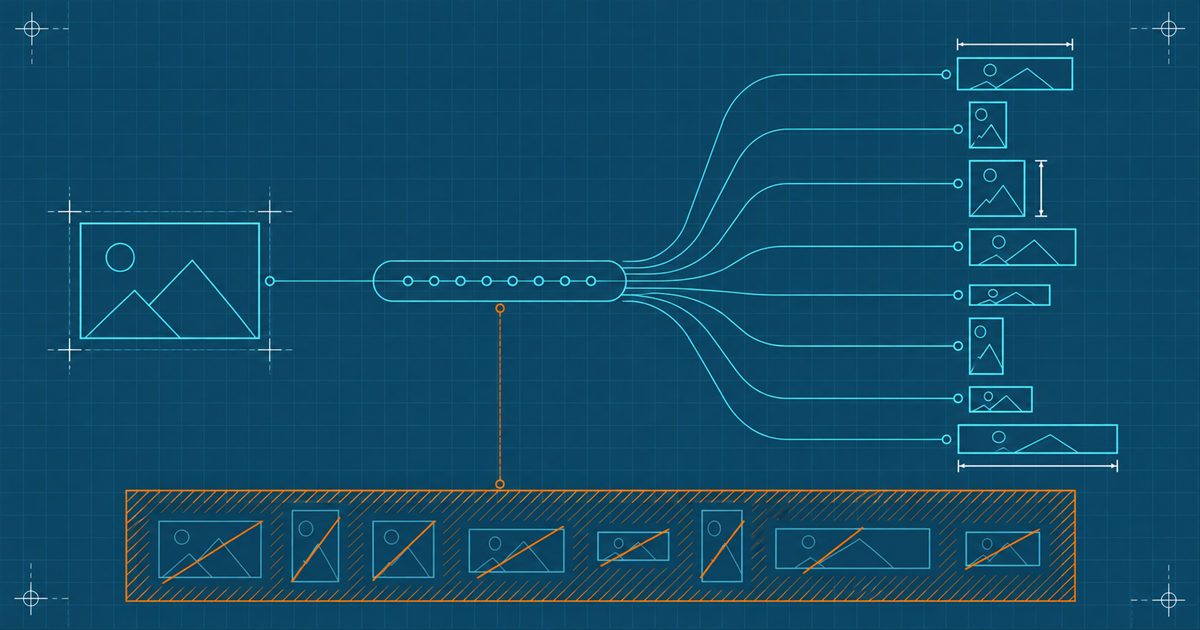
Upload, identifier, URL. What to demand from an asset platform, and why putting the media layer in on day one costs less than adding it at month eighteen.
The alternatives, ranked
Storefront fields, an open-source PIM, a spreadsheet plus a real delivery layer, or building it. What each gives up, and where paying early is cheaper.

Shoot to storefront
Seven handoffs between the camera and the product page, four of them manual, and one queue where everything waits.
By topic
Fundamentals
What each system is for, where the boundary sits, and which system should own which record.
Product Data
Attributes, variants, SKUs, taxonomy and localisation. The decisions that are expensive to reverse.
Integration
APIs, headless commerce, and connecting two systems without a nightly job nobody can debug.
Operations
Photography pipelines, catalogue launches, syndication, and the handoffs where work waits.
Choosing a System
Cost, thresholds, build versus buy, and the honest alternatives to buying anything.
Several of these posts tell you to buy nothing
The threshold for needing a product platform is high, and a well-modelled spreadsheet gets a small team a long way. The threshold for getting images out of folders is much lower, because those problems start at forty products rather than four thousand. Treating them as one decision is the mistake this publication exists to correct.